Chiropractic Care for Every Stage of Childhood
- Dr. Alexandra Simic
The Benefits of Chiropractic Care for Babies, Children, & Adolescents
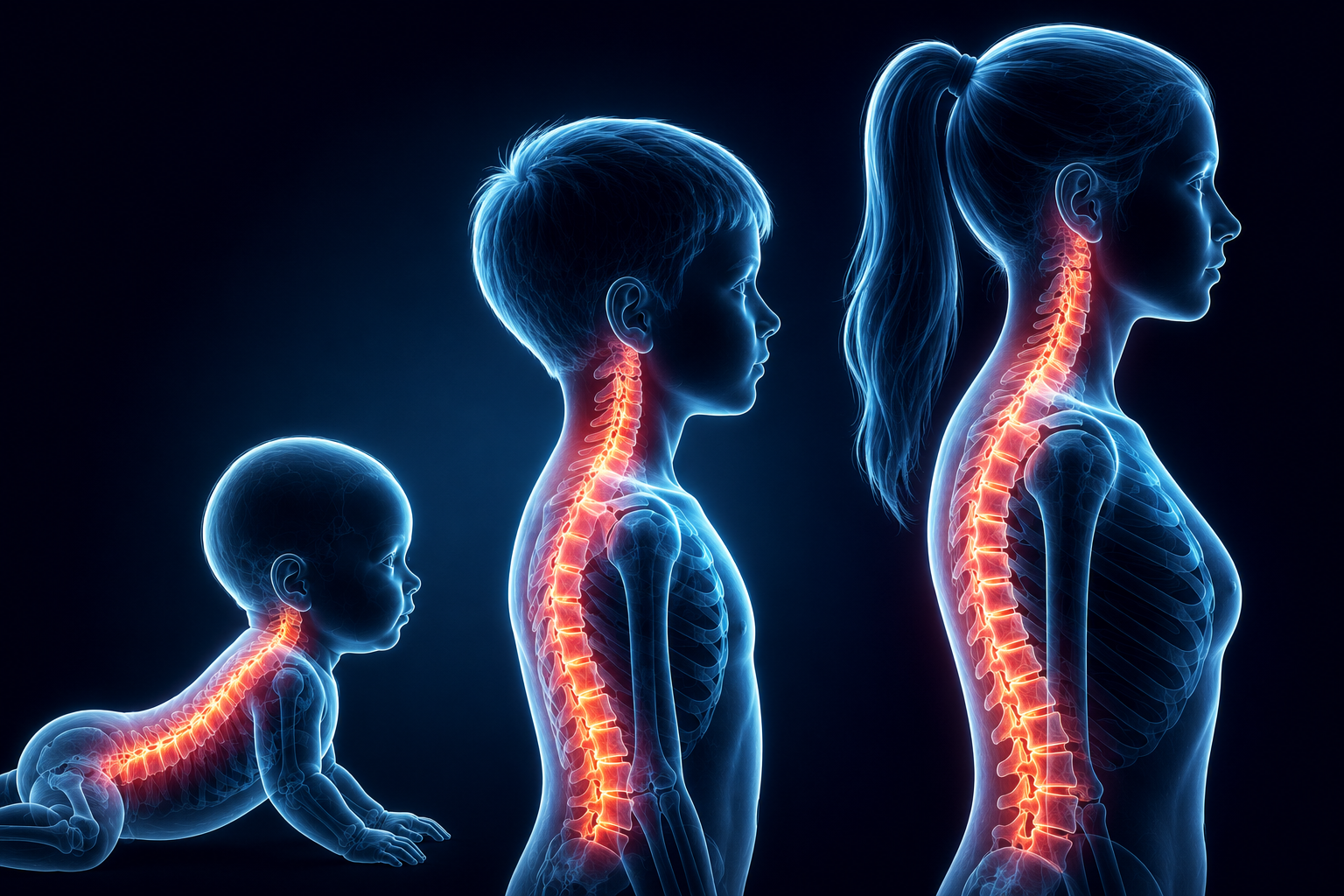
Children’s bodies undergo remarkable changes from infancy through adolescence. Learning to hold their head up, crawl, walk, run, play sports, and navigate growth spurts all place changing demands on the muscles, joints, and spine. Chiropractic care offers a conservative approach focused on supporting healthy movement and addressing musculoskeletal problems throughout these stages of development.
Pediatric chiropractic care is different from adult chiropractic care. Techniques should be adapted to a child's age, size, development, and individual needs.For babies and young children, care may involve gentle assessment of mobility, muscle tension, movement symmetry, and musculoskeletal function. As children become more active, chiropractors may evaluate posture, joint mobility, flexibility, strength, coordination, and movement patterns. Research supports an evidence-based framework for chiropractic management of infants, children, and adolescents that emphasizes age-appropriate examination, individualized treatment, informed consent, and collaboration with other healthcare professionals when appropriate. Children experience many of the same musculoskeletal problems as adults. Falls, playground activities, sports, prolonged sitting, repetitive movements, and rapid growth can all contribute to aches, stiffness, muscle tension, and altered movement. Chiropractic care may incorporate gentle manual therapy, age-appropriate spinal or joint mobilization, exercise, stretching, and education to help address these concerns. This can become especially valuable during adolescence, when sports participation, increased training, prolonged sitting, and rapid growth can place greater demands on the musculoskeletal system.
One of the strongest areas of pediatric research involves adolescent low-back pain. A randomized clinical trial involving 185 adolescents ages 12–18 with chronic low-back pain compared exercise alone with spinal manipulation combined with exercise. Researchers found that adding spinal manipulation produced greater reductions in low-back pain over one year. At six months, the combined group also demonstrated better disability and improvement outcomes and reported greater satisfaction with care.[2] A 2024 systematic review evaluating rehabilitation for pediatric back pain reached a similar conclusion. Researchers found that spinal manipulation combined with exercise may increase the likelihood of clinically important pain reduction compared with exercise alone in adolescents with low-back pain.[3] These findings support incorporating manual therapy and exercise into a comprehensive approach for appropriately selected adolescents with musculoskeletal complaints.
References:1. Hawk C, Schneider MJ, Vallone S, Hewitt EG. Best Practices for Chiropractic Care of Children: A Consensus Update. Journal of Manipulative and Physiological Therapeutics. 2016;39(3):158-168.